
Dev Uthani Ekadashi 2026: Puja Vidhi, Vrat Katha, Mantra & Samagri List
Dev Uthani Ekadashi 2026 will be observed on Friday, 20 November, according to many Smarta calendars, while some Vaishnava traditions will observe it on Saturday, 21 November. Also known as Devutthana Ekadashi and Prabodhini Ekadashi, this sacred day marks the awakening of Lord Vishnu from Yoga Nidra and the conclusion of Chaturmas.
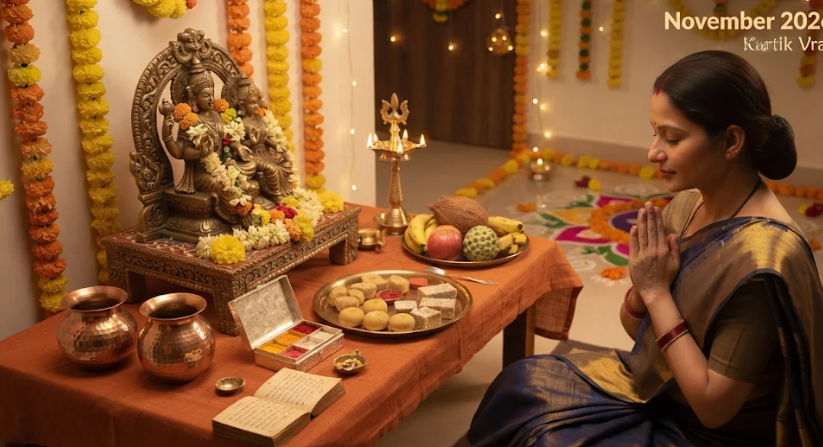
Dev Uthani Ekadashi 2026 will be observed on Friday, 20 November, according to many Smarta calendars, while some Vaishnava traditions will observe it on Saturday, 21 November. Also known as Devutthana Ekadashi and Prabodhini Ekadashi, this sacred day marks the awakening of Lord Vishnu from Yoga Nidra and the conclusion of Chaturmas.
Dev Uthani Ekadashi falls on the Ekadashi tithi of Kartik Shukla Paksha and holds special importance for devotees of Lord Vishnu. People observe the day through fasting, prayers, mantra chanting and charitable activities. It is also associated with the beginning of auspicious ceremonies, including weddings, in many Hindu traditions.
If you are planning to observe this vrat, here is everything you need to know about the date, tithi, puja vidhi, vrat katha, fasting rules, Lord Vishnu mantra and the complete puja samagri list.
Dev Uthani Ekadashi 2026 Date, Tithi and Parana Time
Dev Uthani Ekadashi is observed on the eleventh day (Ekadashi) of the Shukla Paksha in the Hindu month of Kartik. In 2026, the observance falls across two dates because Smarta and Vaishnava traditions follow different rules for determining the fasting day.
Here are the important dates:
Event | Date / Details |
Smarta Dev Uthani Ekadashi | Friday, 20 November 2026 |
Vaishnava Dev Uthani Ekadashi | Saturday, 21 November 2026 |
Ekadashi Tithi Begins | Approximately 7:15 AM, 20 November |
Ekadashi Tithi Ends | Approximately 6:31 AM, 21 November |
Parana | On the Dwadashi tithi, according to the prescribed local time |
Note: The tithi timings are approximate reference timings for North India and should be checked against a reliable local Panchang before publication or observance. Parana timings depend on the location, sunrise and the tradition being followed.
Why Are There Two Dates for Dev Uthani Ekadashi in 2026?
You may find Dev Uthani Ekadashi listed on both 20 and 21 November in different Hindu calendars. This is because Smarta and Vaishnava traditions follow different guidelines for observing Ekadashi.
Smarta calendars generally determine the observance using the tithi and sunrise-based rules followed in their tradition. Vaishnava calendars follow specific rules associated with the devotional practices of Vaishnava communities.
Therefore, both dates can be correct according to their respective traditions. Devotees should follow the calendar used by their family or temple rather than assuming that one date is universally applicable.
What Is Parana on Dev Uthani Ekadashi?
Parana refers to the ritual breaking of the Ekadashi fast. It is performed on Dwadashi, the twelfth lunar day, within the prescribed time window.
Devotees should check the local Panchang for the correct Parana time. Breaking the fast at the appropriate time is an important part of completing the Ekadashi vrat.
What Is Dev Uthani Ekadashi? Meaning and Significance
The word 'Uthani' or 'Utthana' means awakening or rising. Dev Uthani Ekadashi is considered the day when Lord Vishnu awakens from his four-month period of divine sleep, known as Yoga Nidra.
According to Hindu tradition, Lord Vishnu enters Yoga Nidra on Devshayani Ekadashi, which falls during Ashadha Shukla Paksha. He awakens on Kartik Shukla Ekadashi, marking the conclusion of Chaturmas, a four-month period dedicated to devotion, prayer and spiritual discipline.
This is why the day is also called Prabodhini Ekadashi, where 'Prabodhini' refers to awakening.
Why Is This Ekadashi Considered Auspicious?
Dev Uthani Ekadashi holds an important place in Hindu religious traditions for several reasons:
1. Awakening of Lord Vishnu
The day celebrates the awakening of Shri Hari Vishnu from Yoga Nidra. Devotees offer prayers and perform special worship to welcome the Lord.
2. Conclusion of Chaturmas
Chaturmas is a four-month devotional period during which many devotees follow specific religious practices, dietary restrictions and spiritual routines. Dev Uthani Ekadashi marks its conclusion.
3. Beginning of Auspicious Ceremonies
The day is traditionally associated with the resumption of weddings and other auspicious activities after Chaturmas. However, individual ceremonies still require an appropriate muhurat.
4. Worship of Tulsi and Shaligram
Many households worship Goddess Tulsi and Shaligram, a sacred representation of Lord Vishnu, during this period. The observance is also associated with Tulsi Vivah in several regional traditions.
5. Importance of Charity and Devotion
Fasting, prayer, mantra chanting and helping those in need are considered meaningful ways to observe the occasion. The emphasis is on sincerity, self-discipline and devotion rather than elaborate arrangements.
Dev Uthani Ekadashi Puja Vidhi (Step-by-Step)
Dev Uthani Ekadashi puja vidhi generally includes early morning preparations, worship of Lord Vishnu, offerings, mantra chanting and evening prayers. The exact rituals may differ depending on regional customs and family traditions.
Here is a simple sequence that devotees can follow at home.
Step 1: Wake Up Early and Prepare for Puja
Wake up early in the morning and take a bath. Wear clean clothes and prepare the place of worship. Clean the puja area and arrange the necessary items before beginning the rituals.
Step 2: Prepare the Puja Altar
Place a picture or idol of Lord Vishnu on a clean chowki. You may also include Goddess Lakshmi or a Shaligram, depending on your family's worship practices.
If customary, decorate the altar with yellow cloth and fresh flowers.
Step 3: Take a Sankalp
Before starting the puja, take a simple sankalp (vow) to observe the Ekadashi vrat with devotion. Pray to Lord Vishnu for strength and the ability to follow the observance according to your capacity and tradition.
Step 4: Offer Flowers, Tulsi and Bhog
Offer fresh flowers, Tulsi leaves, seasonal fruits, chandan, akshat and other customary items to Lord Vishnu.
Tulsi leaves hold a special place in Vishnu worship. You may also prepare fruits or sweets as bhog, according to your family's practices.
Step 5: Light a Diya and Offer Dhoop
Light a diya using ghee or suitable lamp oil. Offer dhoop or incense if it is part of your regular puja routine.
Keep the puja area clean and perform the rituals with devotion.
Step 6: Chant Vishnu Mantra and Read the Vrat Katha
Recite a Vishnu mantra such as 'Om Namo Bhagavate Vasudevaya'. You can also read or listen to the Dev Uthani Ekadashi Vrat Katha.
Devotees who regularly recite Vishnu Sahasranama may include it in their prayers.
Step 7: Perform Evening Aarti
In the evening, offer prayers to Lord Vishnu and perform aarti. Some families also sing devotional bhajans or participate in kirtan.
Step 8: Complete the Vrat Through Parana
Those observing the fast should break it on Dwadashi during the prescribed Parana window. Check the local Panchang before deciding the time.
Remember that household rituals can vary. Following your family tradition with sincerity is more important than treating every offering or ritual as compulsory.
Dev Uthani Ekadashi Puja Samagri List
Preparing the Dev Uthani Ekadashi puja samagri in advance makes the worship process easier. Although the exact requirements differ between households, some basic items are commonly used for Lord Vishnu worship.
The following checklist can help you arrange everything before the puja.
Complete Dev Uthani Ekadashi Puja Samagri Checklist
Category
Puja Items
Deity and altar
Lord Vishnu picture or murti, clean chowki, yellow cloth
Flowers and offerings
Tulsi leaves, yellow flowers, seasonal fruits, chandan, akshat
Puja essentials
Puja thali, diya, cotton wicks, ghee or lamp oil, matchbox
Incense and aarti
Dhoop, incense sticks, aarti items and bell
Other customary items
Roli, kumkum, kalash or water vessel, panchamrit ingredients, clean cloth
Bhog
Fruits and sweets according to family tradition
Category | Puja Items |
Deity and altar | Lord Vishnu picture or murti, clean chowki, yellow cloth |
Flowers and offerings | Tulsi leaves, yellow flowers, seasonal fruits, chandan, akshat |
Puja essentials | Puja thali, diya, cotton wicks, ghee or lamp oil, matchbox |
Incense and aarti | Dhoop, incense sticks, aarti items and bell |
Other customary items | Roli, kumkum, kalash or water vessel, panchamrit ingredients, clean cloth |
Bhog | Fruits and sweets according to family tradition |
Optional Items for Tulsi Vivah
Some families also perform Tulsi Vivah around Dev Uthani Ekadashi. If you are planning this separate ceremony, arrange its items separately.
Common Tulsi Vivah samagri includes:
Tulsi plant
Shaligram, where followed
Chunari
Fresh flowers
Roli and akshat
Diya and cotton wicks
Sweets and other customary offerings
Not every household performs Tulsi Vivah on the same date. Check your local Panchang and family tradition before arranging the ceremony.
Useful Puja Essentials for Your Home
A reusable puja thali can help keep smaller worship essentials organised in one place. For example, the Brass Puja Thali Set (9 Piece) can be used to arrange items such as roli, flowers and other puja accessories.
Similarly, households that regularly perform devotional prayers may find a suitable diya or incense useful. These are optional additions, not compulsory requirements for observing Ekadashi.
Dev Uthani Ekadashi Vrat Katha
The Dev Uthani Ekadashi Vrat Katha is traditionally associated with the importance of observing Kartik Shukla Ekadashi and worshipping Lord Vishnu.
A traditional narrative associated with Prabodhini Ekadashi describes King Yudhishthira asking Lord Krishna about the significance of this sacred day. Lord Krishna explains its importance through a traditional account involving Lord Brahma and Devarshi Narada.
The story highlights the spiritual importance of Ekadashi and the value of sincere devotion.
According to the traditional account, the observance is associated with spiritual awakening, restraint and dedication to Lord Vishnu. Devotees are encouraged to observe the day with a peaceful mind, prayers and self-discipline.
The vrat katha reminds worshippers that religious observances are not simply about following rituals or avoiding certain foods. Their deeper purpose is to develop devotion, control unnecessary desires and bring positive discipline into everyday life.
Reading or listening to the vrat katha is therefore an important part of the day's worship for many households.
Note: Different regional and devotional traditions may narrate the vrat katha differently. Readers can follow the version traditionally recited in their family or temple.
Lord Vishnu Mantra for Dev Uthani Ekadashi
Chanting Lord Vishnu's name is an important part of Dev Uthani Ekadashi worship. Devotees often recite Vishnu mantras during morning puja, meditation or evening prayers.
One of the widely used mantras is:
ॐ नमो भगवते वासुदेवाय।
Om Namo Bhagavate Vasudevaya
This mantra is a prayer of reverence and surrender to Lord Vasudeva, a form of Lord Vishnu.
Devotees can chant it with concentration and devotion according to their personal practice. There is no need to treat a particular number of repetitions as compulsory for every household.
How to Include Mantra Chanting in Your Puja
Sit comfortably in a clean and peaceful place.
Keep your attention on Lord Vishnu while chanting.
Repeat the mantra slowly and with concentration.
You may also recite Vishnu Sahasranama if it is part of your regular devotional practice.
Sit comfortably in a clean and peaceful place.
Keep your attention on Lord Vishnu while chanting.
Repeat the mantra slowly and with concentration.
You may also recite Vishnu Sahasranama if it is part of your regular devotional practice.
A Tulsi Japa Mala (108 Beads) can be used to count mantra repetitions during devotional practice. It is an optional accessory for those who prefer using a mala while chanting.
Dev Uthani Ekadashi Fasting Rules: What to Eat and Avoid
Fasting is one of the common ways of observing Dev Uthani Ekadashi. However, the rules are not identical across all Hindu communities. The type of fast depends on family customs, religious tradition and individual capacity.
Some devotees observe a complete fast, while others follow a fruit-based or milk-based vrat.
What Can You Eat During Ekadashi Vrat?
Depending on the tradition being followed, some devotees choose:
Fresh seasonal fruits.
Milk and milk-based preparations.
Water and other permitted beverages.
Vrat-friendly foods allowed by their family tradition.
The specific food choices should always follow the rules of the sampradaya or household.
What Should You Avoid During Ekadashi?
Many Ekadashi traditions avoid grains and pulses during the fast. This commonly includes rice, wheat and other regular grain-based foods.
Some devotees also avoid certain vegetables, spices or other ingredients depending on their religious practices.
It is important to remember that fasting customs can vary. Follow the guidelines traditionally observed in your family rather than assuming that every community follows exactly the same rules.
Important Things to Remember While Fasting
Begin the fast with a clear intention and sincere prayers.
Avoid unnecessary arguments and focus on peaceful activities.
Spend time in mantra chanting, meditation or reading devotional texts.
Practise kindness and consider helping someone in need.
Complete the fast through Parana at the appropriate Dwadashi time.
A note on health: A restrictive fast may not be suitable for everyone. Children, older adults, pregnant people and individuals with medical conditions should not undertake restrictive fasting without appropriate medical advice. Religious observances can be adapted according to individual circumstances.
Tulsi Vivah and Its Connection with Dev Uthani Ekadashi
Tulsi Vivah is a traditional Hindu ceremony symbolising the marriage of Goddess Tulsi with Lord Shaligram, a sacred representation of Lord Vishnu.
It is associated with the period of Dev Uthani Ekadashi and the conclusion of Chaturmas. In many households, the occasion is marked by decorating the Tulsi plant, offering flowers and performing prayers.
The traditional Vrinda and Jalandhar narrative is associated with the religious significance of Tulsi and her connection with Lord Vishnu.
During the ceremony, families may decorate the Tulsi plant with a chunari, flowers and other traditional decorations. Shaligram is worshipped, and offerings are made before performing aarti.
However, the date of Tulsi Vivah is not universally fixed across all regions. Some families observe it on Ekadashi, while others follow a Dwadashi or another date according to their local calendar.
Therefore, check your family's Panchang before planning the ceremony.
How to Prepare for Dev Uthani Ekadashi: A Simple Checklist
A little preparation before the festival can make the puja more organised and less stressful. Instead of arranging everything at the last moment, use this simple checklist.
One Day Before the Puja
Confirm whether your family follows the Smarta or Vaishnava observance.
Check the Ekadashi tithi and Parana timings in your local Panchang.
Clean the puja area and prepare the altar.
Arrange reusable items such as a puja thali, diya, bell and japa mala.
Keep the vrat katha and Vishnu mantra ready.
Confirm whether your family follows the Smarta or Vaishnava observance.
Check the Ekadashi tithi and Parana timings in your local Panchang.
Clean the puja area and prepare the altar.
Arrange reusable items such as a puja thali, diya, bell and japa mala.
Keep the vrat katha and Vishnu mantra ready.
On the Day of Ekadashi
Wake up early and take a bath.
Wear clean clothes and prepare the puja space.
Arrange fresh flowers, Tulsi leaves and fruits.
Perform the puja and take a sankalp according to your tradition.
Read the vrat katha and chant Vishnu mantras.
Follow your chosen fasting practice throughout the day.
Wake up early and take a bath.
Wear clean clothes and prepare the puja space.
Arrange fresh flowers, Tulsi leaves and fruits.
Perform the puja and take a sankalp according to your tradition.
Read the vrat katha and chant Vishnu mantras.
Follow your chosen fasting practice throughout the day.
If You Are Performing Tulsi Vivah
Arrange a Tulsi plant and Shaligram if required by your tradition.
Keep the chunari, flowers, roli and other customary items ready.
Confirm the correct date and muhurat locally.
Prepare the ceremony according to your family's customs.
Arrange a Tulsi plant and Shaligram if required by your tradition.
Keep the chunari, flowers, roli and other customary items ready.
Confirm the correct date and muhurat locally.
Prepare the ceremony according to your family's customs.
Planning these details beforehand allows you to spend more time in prayer and less time arranging the essentials.
Frequently Asked Questions About Dev Uthani Ekadashi 2026
1. When is Dev Uthani Ekadashi in 2026?
Dev Uthani Ekadashi 2026 will be observed on 20 November according to many Smarta calendars. Some Vaishnava calendars observe it on 21 November. The correct date for your household depends on the religious tradition and Panchang followed.
2. Is Dev Uthani Ekadashi on 20 or 21 November 2026?
Both dates are followed by different Hindu traditions. Smarta observance falls on Friday, 20 November, while some Vaishnava communities observe the fast on Saturday, 21 November. Follow your family or temple calendar for the correct observance.
3. What is the Ekadashi tithi timing in 2026?
The approximate reference timing is from 7:15 AM on 20 November to 6:31 AM on 21 November 2026. These timings should be checked against a reliable local Panchang because tithi calculations and sunrise times vary by location.
4. When is Dev Uthani Ekadashi Parana in 2026?
Parana is performed on Dwadashi, the day following the Ekadashi fast, within the prescribed time window. The exact Parana time depends on the location, local sunrise and observance tradition. Check your local Panchang before breaking the fast.
5. What is the significance of Dev Uthani Ekadashi?
Dev Uthani Ekadashi marks the traditional awakening of Lord Vishnu from Yoga Nidra and the conclusion of Chaturmas. Devotees observe the occasion through fasting, Vishnu worship, mantra chanting, prayers and charitable activities.
6. What is the puja vidhi for Dev Uthani Ekadashi?
The general puja vidhi includes waking up early, bathing, preparing the altar, taking a sankalp, offering flowers and Tulsi leaves, lighting a diya, chanting Vishnu mantras, reading the vrat katha and performing evening aarti. The fast is completed through Parana on Dwadashi.
7. Which samagri is needed for Dev Uthani Ekadashi puja?
Common puja essentials include a Lord Vishnu picture or idol, puja thali, diya, cotton wicks, ghee, Tulsi leaves, flowers, fruits, chandan, akshat, dhoop and a bell. Additional items depend on family customs and individual worship practices.
8. Which mantra is chanted on Dev Uthani Ekadashi?
A widely used mantra is 'Om Namo Bhagavate Vasudevaya'. Devotees may also recite Vishnu Sahasranama or other traditional Vishnu prayers according to their devotional practice.
9. Can rice be eaten during Dev Uthani Ekadashi vrat?
Many Hindu Ekadashi traditions avoid rice and other grains during the fast. However, food restrictions differ between communities and households. Devotees should follow the fasting rules of their family tradition.
10. Is Tulsi Vivah celebrated on Dev Uthani Ekadashi?
Tulsi Vivah is traditionally associated with the period of Dev Uthani Ekadashi and the conclusion of Chaturmas. However, its observance date may differ across regions. Some families perform it on Ekadashi, while others follow Dwadashi or another locally prescribed date.